How to Simplify Ministry of Cannbis for Safe and Effective Wellness in 2026
Understanding the Health Benefits of CBD from Ministry of Cannbis
As the popularity of CBD continues to grow, understanding its health benefits becomes increasingly important for wellness enthusiasts. Ministry of Cannbis offers a diverse array of cannabis seed options, which provide a starting point for cultivating various CBD-rich strains. These strains are cultivated not only for their recreational value but also for their potential therapeutic effects. This article delves into the therapeutic applications of CBD, its interaction with the body’s endocannabinoid system, and how it may provide relief for common ailments.
What are the Therapeutic Applications of CBD?
CBD, or cannabidiol, has garnered attention for its wide range of potential therapeutic applications. Research suggests that CBD may effectively manage conditions such as anxiety, chronic pain, inflammation, and sleep disorders. Emerging evidence also indicates that it may assist in reducing symptoms of epilepsy and neurodegenerative diseases. However, it is essential to note that these statements have not been evaluated by the Food and Drug Administration (FDA), and this product is not intended to diagnose, treat, cure, or prevent any disease.
How Does CBD Interact with the Body’s Endocannabinoid System?
The endocannabinoid system (ECS) plays a crucial role in regulating various bodily functions, including mood, appetite, pain sensation, and immune response. CBD interacts with the ECS by binding to cannabinoid receptors, primarily CB1 and CB2, although it does not bind directly like THC (tetrahydrocannabinol). Instead, CBD influences the ECS by modulating receptor activity and enhancing the body’s natural cannabinoid production, leading to a balanced physiological state.
Potential Relief for Common Ailments Using CBD
Individuals seeking relief from common ailments may benefit from incorporating CBD into their health routines. Here are some notable areas where CBD has shown potential:
- Anxiety and Stress Management: Many users report reduced anxiety levels and improved stress management after using CBD.
- Pain and Inflammation Reduction: CBD’s anti-inflammatory properties may help alleviate chronic pain symptoms.
- Improving Sleep Quality: CBD might improve sleep onset and quality, making it a potential option for those suffering from insomnia.
- Post-Workout Recovery: Athletes have found CBD helpful for reducing post-exercise soreness and promoting recovery.
Exploring Different Product Types Offered by Ministry of Cannbis
When considering CBD products, understanding the various forms available is essential for making informed choices suited to individual preferences and needs. The Ministry of Cannbis catalog showcases numerous options, from oils and edibles to topicals and vape products. Each form offers unique benefits and varying user experiences.
What are the Various Forms of CBD Products?
There are several primary forms of CBD products on the market:
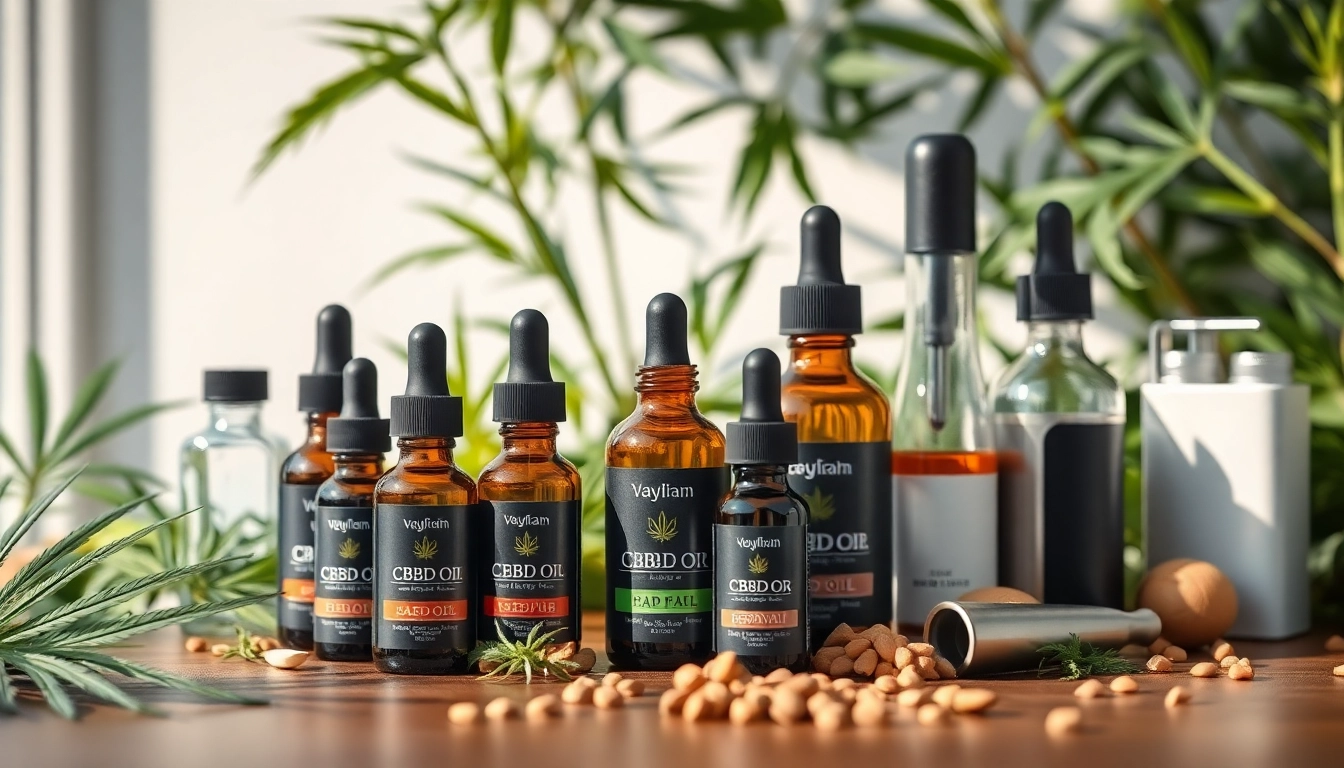
- CBD Oils and Tinctures: Typically taken sublingually, these products allow for rapid absorption and precise dosing.
- Edibles: CBD-infused gummies, chocolates, and drinks provide a tasty and discreet option for consumption, though they require more time for effects to kick in.
- Topicals: Creams, balms, and patches applied directly to the skin offer targeted relief for localized discomfort.
- Vape Products: Designed for inhalation, vape juices and cartridges provide immediate effects and higher bioavailability.
How to Choose Between Oils, Edibles, and Topicals?
The choice between CBD oils, edibles, and topicals largely depends on the user’s intended purpose and preferences. For quick relief and precise dosage, oils may be the best choice. Conversely, edibles might suit those who prefer a slower onset and a more enjoyable experience. Topicals are particularly effective for localized pain or inflammation.
Understanding Delivery Methods: Which is Best for You?
Choosing the appropriate delivery method for CBD depends on individual lifestyles and health goals. Factors to consider include:
- Onset Time: Oils and vaping typically have faster onset times compared to edibles.
- Duration of Effects: Edibles may provide longer-lasting effects, while vaping and oils generally wear off more quickly.
- Bioavailability: The method of consumption affects how much CBD is absorbed into the bloodstream; sublingual administration usually has higher bioavailability than oral consumption.
Proper Dosage and Usage Guidelines for CBD
Determining the right dosage of CBD can be complex, as individual body chemistry and specific conditions can influence responsiveness. Here, we discuss how to effectively approach CBD dosing.
How to Calculate Your Ideal CBD Dose?
Begin with a low dose of CBD and gradually increase until the desired effects are achieved. Factors to consider include:
- Body Weight: Heavier individuals may require higher doses compared to those with a lower body weight.
- Individual Tolerance: Everyone responds differently; finding the optimal dose may require some experimentation.
What is the Best Time to Use CBD Products?
The best time to use CBD largely depends on the individual’s health goals. For stress and anxiety relief, using CBD during stressful times or before sleep may be beneficial. Conversely, for workout recovery, taking CBD after exercise might yield the best results.
Tips for Effectively Incorporating CBD into Your Routine
To properly integrate CBD into daily life, consider a structured plan:
- Start with a low dose and maintain a consistent schedule.
- Monitor effects and adjust dosage and timing as needed.
- Keep a journal of experiences for future reference.
Quality Standards and Certification in the CBD Industry
Quality and safety are paramount in the CBD industry. Understanding what to look for can help consumers make informed decisions when purchasing CBD products.
What to Look for in a Certificate of Analysis (COA)?
A Certificate of Analysis is essential for verifying the quality and contents of CBD products. Key components to check include:
- Potency: Ensure the levels of CBD and THC match the product label.
- Contaminant Testing: Verify testing for pesticides, heavy metals, and solvents.
- Microbial Testing: Check for the absence of harmful bacteria and fungi.
Understanding the Importance of Third-Party Testing
Third-party testing is crucial for establishing transparency and trust. Products tested by independent laboratories ensure consumers receive accurate information about potency and purity.
How to Identify High-Quality CBD Products?
When searching for CBD products, consider the following:
- Look for products that provide clear labeling, including batch information and COA.
- Research the brand’s reputation, including user reviews and industry certifications.
- Be cautious of unusually low prices, as they may indicate lower quality or compromised ingredients.
Legal Considerations and Safety Guidelines for CBD Usage
Understanding the legal landscape surrounding CBD is critical for consumers. Here, we summarize important considerations to keep in mind.
What are the Current Legal Status and Compliance Regulations?
Following the 2018 Farm Bill, hemp-derived CBD products (containing less than 0.3% THC) are federally legal in the United States. However, regulations can vary by state, so it’s crucial to verify local laws before purchasing.
How to Ensure Safe Usage of CBD Products?
To ensure safe usage of CBD, consider the following guidelines:
- Start low and go slow: Start with small amounts and gradually increase to find the right dosage.
- Consult with a healthcare professional before starting any new supplement, especially if you’re on medication.
- Stay informed about potential side effects and interactions.
Common Side Effects and Drug Interactions with CBD
While CBD is generally considered safe, some users may experience side effects, including drowsiness, dry mouth, or digestive changes. CBD may interact with certain medications, particularly blood thinners and antiepileptic drugs, so consultation with a healthcare provider is essential.
What is the Difference Between CBD and THC?
CBD and THC are both cannabinoids found in cannabis, but they have distinct effects. THC is known for its psychoactive properties, while CBD is non-psychoactive and has been associated with various therapeutic benefits. Understanding these differences is key for consumers seeking wellness benefits without the high.
Is CBD Safe for All Consumers?
CBD is considered safe for most adults; however, pregnant or breastfeeding women should exercise caution and consult with healthcare professionals before using CBD products. Age restrictions also often apply, and minors should not use cannabis products without guidance.
How to Store CBD Products for Maximum Freshness?
To maintain the potency and freshness of CBD products, store them in a cool, dark place away from direct sunlight and heat. Ensuring that products are tightly sealed can also help preserve their quality.