
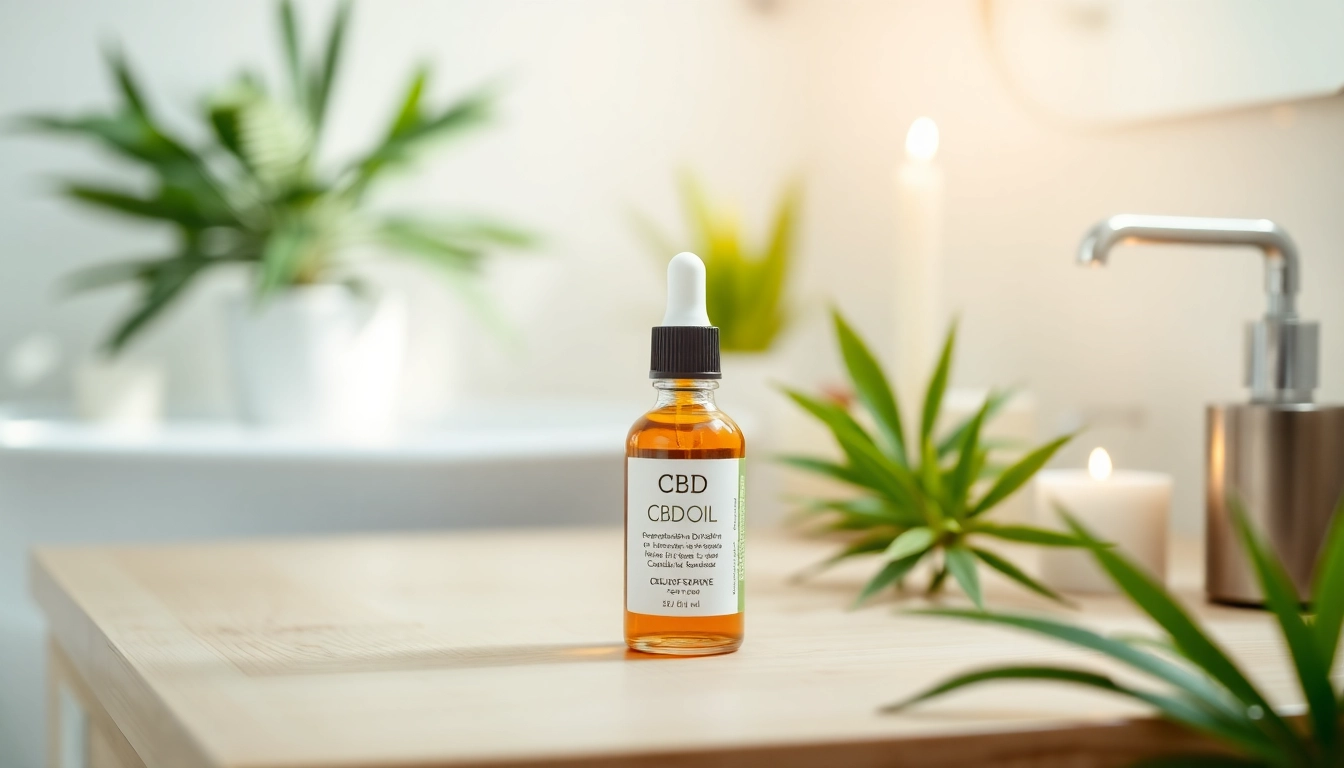
Understanding CBD Oil for Skin
What is CBD Oil?
Cannabidiol (CBD) oil is an extract derived from the hemp plant, boasting a wide range of therapeutic properties. Unlike tetrahydrocannabinol (THC), another prominent compound in cannabis, CBD is non-psychoactive, meaning it does not produce the "high" typically associated with marijuana. Instead, CBD interacts with the endocannabinoid system (ECS) in the human body, a complex network that regulates various physiological processes, including pain sensation, immune response, and mood. This unique interaction has led to increased interest in the potential benefits of CBD oil for skin care, positioning it as a promising addition to modern skincare regimens.
How CBD Oil Benefits Skin Health
The benefits of CBD oil for skin health are numerous. Firstly, its anti-inflammatory properties make it particularly useful for calming irritation and redness associated with various skin conditions, including acne and eczema. CBD oil is also rich in antioxidants, which help combat free radicals, thus protecting skin from oxidative stress caused by environmental aggressors such as pollution and UV rays. Furthermore, it can promote hydration by supporting the skin barrier, reducing moisture loss and keeping the skin supple and healthy.
Research has shown that the application of CBD oil can lead to improved skin texture and overall appearance. Regular use can help control sebum production, which is a crucial factor in preventing acne breakouts. Additionally, its soothing properties offer relief from itchiness and discomfort, making it a versatile ingredient for those dealing with sensitive or problematic skin.
Common Misconceptions about CBD Oil for Skin
Despite the growing popularity of CBD oil in skincare, several misconceptions persist. One notable myth is that all CBD products produce psychoactive effects. As mentioned earlier, CBD is non-psychoactive, dispelling fears that its use may lead to mind-altering states. Another misconception is that CBD oil can exclusively treat severe skin conditions. While it offers promising benefits, individuals with serious skin issues should consult dermatology professionals for comprehensive treatment plans.
Furthermore, some believe that using CBD oil alone guarantees clear skin. While it can significantly improve skin health, a holistic skincare approach—incorporating proper cleansing, moisturizing, and sun protection—is crucial for achieving and maintaining optimal results.
Skin Conditions CBD Oil Can Address
Acne Treatment with CBD Oil for Skin
Acne is a common skin condition characterized by the blockage of hair follicles due to oil, dead skin cells, and bacteria. Research suggests that CBD oil may alleviate acne symptoms by regulating sebum production and reducing inflammation. Scientific studies indicate that CBD can inhibit the activity of sebaceous glands, which are responsible for oil production in the skin. By doing so, it can help in managing not only current breakouts but also prevent future ones.
Additionally, CBD oil possesses antibacterial properties that can combat the bacteria often associated with acne. Its anti-inflammatory effects also contribute to reduced redness and swelling, making it a gentle yet effective treatment for sensitive skin types suffering from acne. Integrating products containing CBD oil into a consistent skincare routine can provide tangible improvements in acne control and overall skin health.
Using CBD Oil for Eczema Relief
Eczema, a condition that results in inflamed, itchy, and dry skin, affects millions of people worldwide. Sufferers often seek relief through various topical treatments, but many of these can be harsh and irritate the skin further. CBD oil is emerging as a natural alternative due to its calming and hydrating properties. Studies indicate that CBD's anti-inflammatory capabilities can significantly alleviate the symptoms of eczema, including itchiness and redness.
Furthermore, as CBD oil enhances the skin barrier function, it can help retain moisture, providing lasting hydration for those with dry or cracked skin associated with eczema. Regular use of CBD oil can not only soothe flare-ups but also contribute to a more resilient skin barrier over time, making it an invaluable asset to the skincare arsenal for those with eczema.
Potential for CBD Oil in Anti-Aging Skincare
The quest for youthful skin has led to the exploration of various anti-aging ingredients, with CBD oil emerging as a potential frontrunner. Its antioxidant properties play a critical role in combating the signs of aging, such as fine lines, wrinkles, and loss of elasticity. By neutralizing free radicals, CBD can help maintain the skin's firmness and overall appearance.
Furthermore, CBD's anti-inflammatory effects can help reduce puffiness and dark circles under the eyes, contributing to a fresher, more vibrant look. By incorporating CBD oil into daily skincare routines, individuals may find themselves not just protecting against premature aging, but also promoting healthy, resilient skin at any age.
Choosing the Right CBD Oil for Skin Products
Evaluating Product Ingredients
When selecting CBD oil for skin products, ingredient evaluation is crucial. Look for products that contain pure CBD oil sourced from organic hemp to ensure maximum efficacy and safety. Additionally, review the list of other ingredients; they should complement CBD’s properties without causing irritation. Natural ingredients such as shea butter, jojoba oil, and aloe vera can enhance the moisturizing effect while providing additional skin benefits.
Avoid products with synthetic fragrances, parabens, and sulfates, as these can lead to skin irritation and counteract the soothing effects of CBD oil. Always opt for full transparency in branding, including lab test results that confirm the product's purity and CBD concentration. Such diligence ensures a high-quality product that meets individual skincare needs.
Full-Spectrum vs. Broad-Spectrum CBD Oil
Understanding the differences between full-spectrum and broad-spectrum CBD oil is essential for maximizing skincare benefits. Full-spectrum CBD oil contains all cannabinoids found within the cannabis plant, including trace amounts of THC. This allows for the "entourage effect," where various compounds work synergistically for enhanced effects.
Conversely, broad-spectrum CBD oil includes multiple cannabinoids but excludes THC entirely. This is a good option for those who want the benefits of other cannabinoids without the concern of THC. Both variants have their own unique benefits, and choosing one over the other depends on individual preferences and sensitivities. For skincare, either option can be effective, but it's essential to choose high-quality products from reputable sources.
Understanding Concentration and Dosage
Determining the right concentration of CBD oil for skin products can be tricky, especially since individual skin types and conditions differ. Generally, higher concentrations may be more effective for serious skin issues, while lower concentrations may suffice for maintenance and prevention. Many products provide strength details in milligrams (mg), with 300mg being typical for everyday use and 1000mg or more for targeted treatments.
Start with a lower concentration to gauge your skin's reaction before gradually increasing as needed. It’s advisable to apply a small amount initially to test for any adverse reactions. Always adhere to product instructions for frequency and amount, but feel free to adjust based on personal skin response. Consulting with a skincare professional can further clarify appropriate dosages tailored to specific concerns.
How to Incorporate CBD Oil into Your Skincare Routine
Best Practices for Application
Integrating CBD oil into your skincare routine involves understanding the proper application techniques for optimal absorption. Begin by cleansing your skin thoroughly to remove any impurities and prepare it for treatment. After cleansing, follow up with toning and then apply CBD oil or a product containing CBD.
Use gentle pressure while massaging the oil into the skin, focusing on areas with specific concerns. Allow the product to absorb fully before layering any additional creams or serums. This method enhances its effectiveness and ensures that the skin receives maximum benefits from the CBD oil. Additionally, consistency is crucial; incorporating CBD oil as part of your daily routine can lead to improved results over time.
Combining CBD Oil with Other Skincare Ingredients
CBD oil can be effectively combined with a variety of other skincare ingredients to enhance its benefits. For instance, pairing CBD with hyaluronic acid can amplify hydration levels, providing optimal moisture. Similarly, combining it with anti-aging agents like retinol can create a robust anti-aging regimen while soothing potential irritations caused by active ingredients.
Other beneficial combinations may include vitamin C for brightening or niacinamide for oil control and pore reduction. Choose products that complement each other, and always patch-test new combinations to ensure compatibility. A versatile skincare arsenal leveraging CBD oil can lead to more radiant and healthy skin.
Creating a Custom CBD Oil Skincare Regimen
Developing a custom skincare regimen that includes CBD oil should start with assessing individual skin types and concerns. For oily skin, consider products formulated to regulate sebum and minimize breakouts, while dry skin types may benefit from richer formulations that promote hydration.
Create a structured daily routine that incorporates cleansing, toning, and moisturizing alongside your CBD oil product. Adjust the frequency of application based on your skin’s response, and be patient; most users can expect to see results within four to six weeks of consistent use. Additionally, tracking progress and any changes in the skin condition can help adjust the regimen for optimal results.
Safety and Side Effects of CBD Oil for Skin
Possible Side Effects
While many people find CBD oil to be beneficial for their skin, it is important to recognize that side effects can occur. Most reactions are mild, including localized redness, itching, or irritation, particularly when used on sensitive skin. As with any cosmetic product, the potential for skin reactions exists, and the impact varies depending on individual skin types and sensitivities.
Conducting patch tests before fully integrating new CBD products into your routine is essential. Apply a small amount of the product to a discreet area of your skin and observe for a minimum of 24 hours for any adverse reactions. If redness or irritation occurs, discontinue use and seek alternative solutions.
Allergic Reactions and Sensitivities
Allergies to hemp-derived products, including CBD, are relatively rare but can happen. Symptoms may include hives, difficulty breathing, or severe skin reactions. Individuals with known allergies to cannabis or its derivatives should approach CBD oil with caution. Consulting with a healthcare provider beforehand ensures a thorough evaluation and awareness of personal sensitivities.
If any signs of allergic reactions appear, such as severe skin rash or swelling, immediate medical attention is necessary. Taking a proactive approach to understanding individual reactions to CBD oil helps in safely benefiting from its properties while minimizing risks.
Consulting with Healthcare Professionals
Before starting any new skincare regimen that includes CBD oil, it's advisable to consult with healthcare professionals, particularly for those with pre-existing skin conditions or concerns. Dermatologists can offer insights tailored to unique skin types and conditions, ensuring that the use of CBD oil is safe and effective in addressing specific issues.
Additionally, discussing any potential interactions with ongoing treatments or medications can prevent adverse reactions. The expertise of healthcare professionals can offer guidance on incorporating CBD oil benefits effectively, leading to informed decisions about skincare choices.