
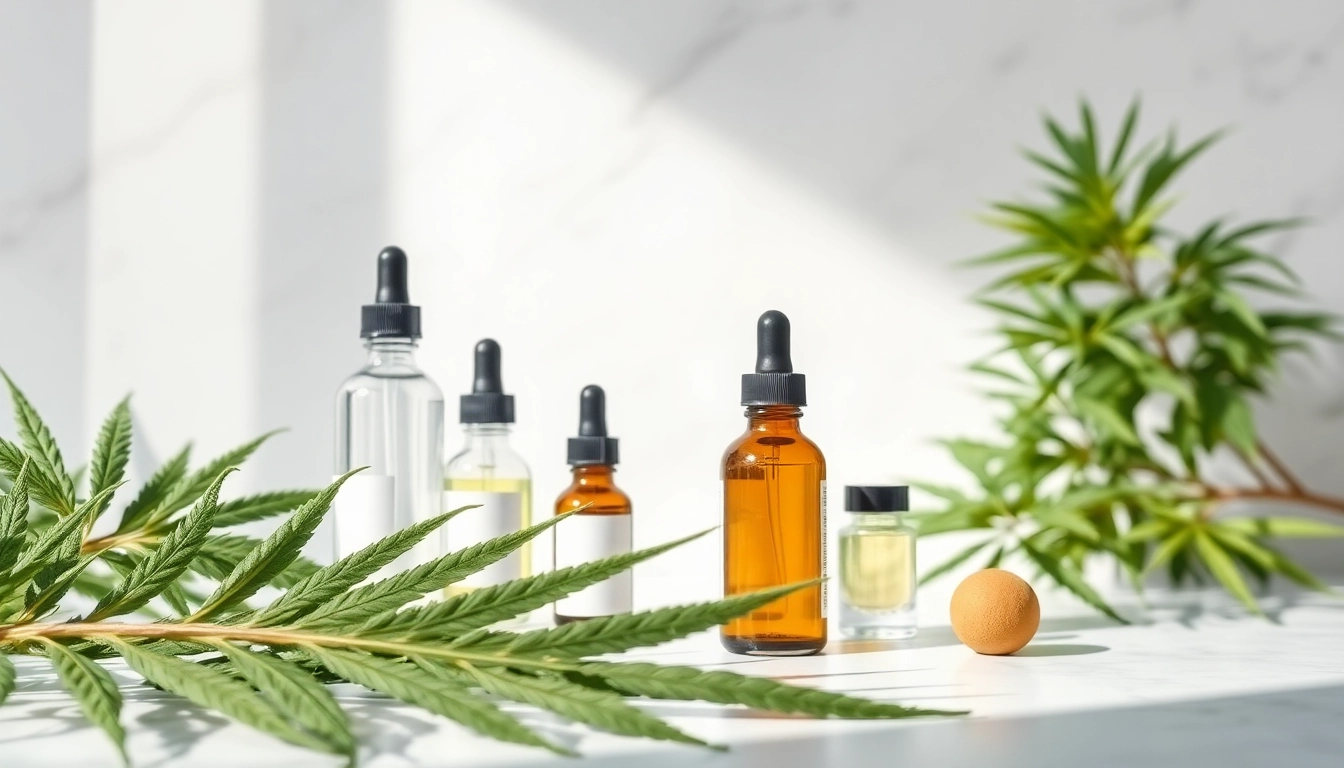
Introduction to CBD: Nature and Origins
Cannabidiol, commonly known as CBD, has garnered significant interest and attention in recent years for its potential therapeutic properties. It is one of over a hundred cannabinoids found in cannabis plants. Understanding CBD is crucial for anyone interested in its benefits, applications, and implications for health and wellness. In this article, we will explore CBD, its origins, various types, and the current landscape surrounding its use.
What is CBD? Understanding Cannabidiol
CBD is a phytocannabinoid discovered in 1940. It is one of the key cannabinoids present in hemp and marijuana plants. Unlike its more famous counterpart, tetrahydrocannabinol (THC), CBD is non-psychoactive, meaning it does not produce the euphoric high typically associated with cannabis. This quality makes CBD particularly appealing for those seeking therapeutic effects without the cognitive impairment that THC can bring.
Cannabinoids interact with the body’s endocannabinoid system, a complex network of receptors that influence various physiological processes. CBD specifically interacts with two primary receptors: CB1 and CB2. While CB1 receptors are predominantly found in the brain, CB2 receptors are more common in peripheral organs and tissues, suggesting that CBD may impact a broad range of bodily functions and health conditions.
Differences Between CBD and THC
The distinction between CBD and THC is fundamental for understanding their respective effects. While both compounds share similar origins, their effects and legal statuses differ significantly. THC is the psychoactive element that results in the characteristic 'high' of marijuana. In contrast, CBD is often praised for its therapeutic benefits without psychoactive effects.
In terms of legal status, THC remains illegal in many jurisdictions, whereas CBD derived from hemp, which contains less than 0.3% THC, is typically legal across various regions. This legal distinction has paved the way for the widespread availability and consumption of CBD products.
Sources of CBD: Hemp vs. Marijuana
CBD can be sourced from both hemp and marijuana plants, but the choice of source can significantly influence the properties and legality of the extracted oil. Hemp, a variety of the Cannabis sativa plant, is specifically cultivated for its industrial use, including hemp seeds and oil, and it contains high levels of CBD and minimal THC. This makes it an ideal source for CBD extraction.
On the other hand, marijuana contains varying levels of CBD and THC depending on the strain. While many marijuana strains are bred for high THC concentration, there are also strains specifically cultivated for high CBD content. Understanding these differences is essential for consumers looking for specific effects or legal compliance.
Benefits of CBD: Health Impacts
Research into the health benefits of CBD is ongoing, with numerous studies exploring its potential therapeutic effects. While comprehensive clinical guidelines are still being developed, preliminary evidence suggests various health benefits associated with CBD usage.
CBD for Anxiety: Can It Help?
Anxiety disorders are among the most common mental health challenges faced today. Numerous studies have suggested that CBD can play a beneficial role in managing anxiety. The compound's influence on the serotonin receptors in the brain is thought to help reduce anxiety levels. Some clinical trials have shown promising results, indicating that CBD may help patients with generalized anxiety disorder, social anxiety disorder, and post-traumatic stress disorder (PTSD).
Users often report feelings of calmness and improved mood after taking CBD, although individual responses can vary. It's crucial to consult with a healthcare provider before starting any CBD regimen to discuss potential benefits and the most appropriate dosage.
CBD's Role in Pain Management
Pain management is another area where CBD has shown promise. Differentiating the effects of CBD from pharmaceutical options, a growing body of research indicates that it may help alleviate chronic pain resulting from conditions such as arthritis, multiple sclerosis, and fibromyalgia.
CBD interacts with endocannabinoid receptors, potentially reducing inflammation and signal transmission of pain to the brain. Many patients have reported significant pain relief after incorporating CBD into their treatment plan, highlighting its potential as a natural alternative to opioid pain medications.
CBD and Neurological Disorders
Research indicates that CBD may offer neuroprotective benefits, making it an area of high interest for conditions like epilepsy and multiple sclerosis. In fact, the FDA has approved a CBD-based medication called Epidiolex for the treatment of two severe forms of epilepsy: Dravet syndrome and Lennox-Gastaut syndrome.
The use of CBD in neurological disorders is based on its potential to stabilize electrical activity in the brain and reduce seizure frequency. As ongoing research continues to explore these benefits, anecdotal evidence from patients provides encouragement for those suffering from similar conditions.
How to Use CBD: Practical Guidance
As interest in CBD continues to grow, understanding how to use it effectively becomes crucial. Various forms and administration methods of CBD are available, each offering unique benefits and considerations.
Forms of CBD: Oils, Edibles, and Topicals
CBD is available in numerous forms, including oils, tinctures, edibles, capsules, and topical creams. Each form has its distinctive advantages:
- Oils and Tinctures: Offering quick absorption, CBD oils are often taken sublingually for rapid effects.
- Edibles: Gummies and other food products provide a delicious way to incorporate CBD, although they may take longer to take effect compared to oils.
- Capsules: Offering pre-measured doses, capsules are ideal for systematic consumption.
- Topicals: Creams and balms infused with CBD are used for localized relief of muscle and joint pain.
Determining the Right Dosage of CBD
Determining the appropriate CBD dosage can be challenging, as various factors such as body weight, tolerance, and the condition being treated come into play. General guidelines suggest starting with a low dose and gradually increasing it until the desired effects are achieved.
For instance, users might start with a dosage of 5-10 mg of CBD and monitor their response for several days before adjusting. Consulting with a healthcare professional familiar with CBD can provide personalized recommendations based on individual needs and medical history.
Best Practices for CBD Consumption
When consuming CBD, some best practices can enhance user experiences:
- Consistency is Key: Incorporating CBD into a daily routine can help maintain stable levels in the body.
- Read Labels Carefully: Quality matters; choose products with third-party lab testing for accurate labeling and purity.
- Be Mindful of Interactions: Consider potential interactions with medications; always inform healthcare providers of CBD use.
Potential Side Effects and Risks of CBD
While CBD is generally considered safe for most people, awareness of potential side effects and risks is important. Understanding these can help consumers make informed decisions regarding its use.
Common Side Effects: What to Expect
CBD is often well-tolerated, but some individuals may experience side effects, including:
- Dry mouth
- Drowsiness
- Dizziness
- Changes in appetite or weight
These effects are generally mild; however, if they persist or worsen, it is advisable to consult with a healthcare provider.
Interactions with Other Medications
CBD can interact with certain medications, particularly those metabolized by the liver. This may lead to altered drug efficacy or increased side effects. Patients on other medications should seek guidance from their healthcare provider to evaluate potential interactions before using CBD.
Regulatory and Quality Considerations
The lack of consistent regulation in the CBD market raises concerns regarding product quality and safety. Consumers should prioritize purchasing from reputable brands that provide transparency about ingredient sourcing and third-party testing. Being informed about these factors can help ensure the selection of high-quality products.
CBD Safety and Legality: Current Landscape
The legality of CBD varies around the world and within the United States, influenced by local regulations and interpretations of cannabis legislation. Familiarity with the legal landscape can empower consumers to navigate CBD use safely and within legal boundaries.
Is CBD Legal? Understanding Policies
In the U.S., the legality of CBD hinges on its source. CBD derived from hemp containing less than 0.3% THC is federally legal, while CBD derived from marijuana may remain illegal in many states. It is crucial for consumers to verify local laws regarding CBD before purchasing or using products.
Finding Reliable CBD Products
To ensure quality and potency, consumers should look for CBD products that are independently tested and certified. Lab results can confirm the cannabinoid content and check for harmful contaminants. This transparency fosters trust and supports safe consumer choices.
Research Trends in CBD and Health
As CBD research progresses, ongoing studies will likely shed more light on its benefits, optimum dosages, and potential therapeutic applications. Staying informed about the latest research will empower consumers and healthcare professionals to make evidence-based decisions about CBD use.