
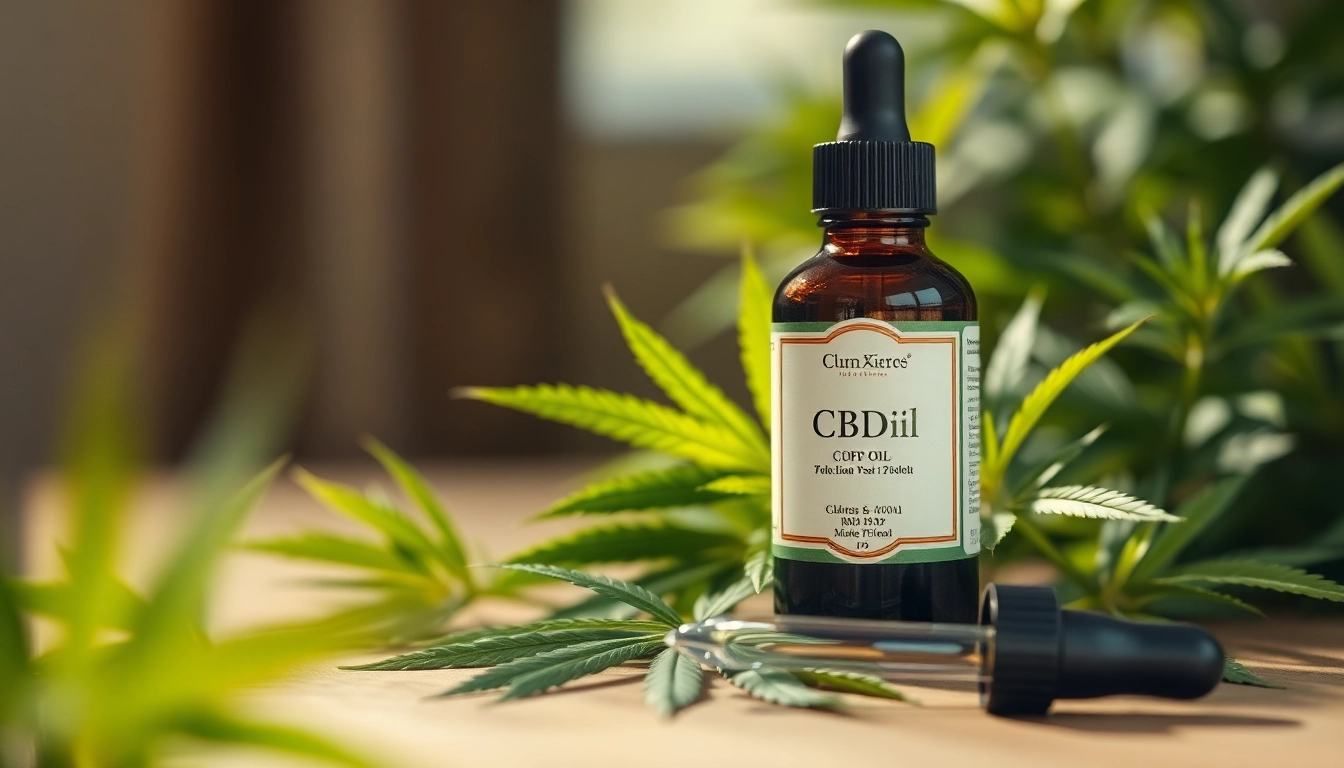
Understanding CBD Oil: What It Is and How It Works
Cannabidiol, commonly known as CBD, is a compound extracted from the cannabis plant. Unlike its more famous counterpart, tetrahydrocannabinol (THC), CBD is not psychoactive, meaning it doesn't produce the "high" associated with marijuana. With the growing popularity of CBD Oil as a natural remedy for various health issues, understanding its properties, effects, and uses is essential. For those interested in the therapeutic potential of this compound, CBD Oil offers a range of possibilities that merit exploration. Many individuals are turning to CBD Oil for its reputed health benefits and holistic healing applications.
The Science Behind CBD Oil
At a molecular level, CBD Oil interacts with the body’s endocannabinoid system (ECS), which plays a crucial role in maintaining homeostasis. The ECS consists of receptors, neurotransmitters, and enzymes that collectively regulate mood, immune function, sleep, and even appetite. CBD primarily binds to two types of receptors within this system: CB1 and CB2.
CB1 receptors mainly exist in the brain and are involved in the modulation of mood and cognition, while CB2 receptors are found in the peripheral nervous system and regulate immune response. Research suggests that CBD does not bind directly to these receptors but rather influences them indirectly, promoting the body’s natural ability to maintain balance.
Key Differences Between CBD Oil and THC
One of the primary distinctions between CBD and THC lies in their chemical structure. While both compounds originate from cannabis, THC binds snugly to CB1 receptors, leading to psychoactive effects. On the other hand, CBD's interaction with the ECS is more complex and results in anti-inflammatory, anxiolytic, and analgesic effects without inducing a high. This characteristic makes CBD Oil a preferable option for those seeking therapeutic benefits without the intoxicating effects commonly associated with THC.
How CBD Oil Interacts with the Body
Beyond its interaction with ECS receptors, CBD Oil exhibits anti-inflammatory and antioxidant properties, which may have beneficial implications for various health conditions. For instance, CBD works to reduce the synthesis of pro-inflammatory cytokines while enhancing anti-inflammatory processes. This dual action makes it appealing for individuals suffering from chronic pain and inflammatory diseases.
Additionally, CBD may influence serotonin receptors, suggesting potential applications in reducing anxiety and improving mood. Preliminary studies indicate that CBD Oil can help alleviate anxiety disorders, PTSD symptoms, and depression, marking it as a promising area of focus in mental health research.
Health Benefits of CBD Oil: What Research Shows
Relief from Chronic Pain and Inflammation
Chronic pain is a common affliction, affecting millions globally. Studies suggest that CBD Oil may serve as a viable option for pain relief, with its anti-inflammatory properties playing a key role. By interacting with the endocannabinoid system, CBD helps in dampening pain signals sent to the brain. A systematic review highlighted that CBD’s analgesic effects could be particularly beneficial for conditions such as arthritis, multiple sclerosis, and fibromyalgia.
Reducing Anxiety and Stress Levels
Anxiety and stress are prevalent in today’s fast-paced world, and many individuals are exploring natural alternatives for management. Research indicates that CBD Oil can significantly reduce anxiety levels by modulating serotonin activity in the brain. A clinical study demonstrated that participants with social anxiety experienced notable reductions in anxiety after taking CBD Oil before public speaking tasks. This evidence supports the growing belief that CBD may be an effective adjunct treatment for anxiety disorders.
Potential Benefits for Sleep and Insomnia
Sleep disturbances, such as insomnia, can have a cascading effect on overall health. CBD Oil has garnered attention for its potential to improve sleep quality. Studies suggest that it may help individuals fall asleep faster and sleep more soundly through its relaxing effects. By addressing factors such as pain and anxiety, CBD Oil can create a better environment for restful sleep. Preliminary findings suggest that doses ranging from 25 mg to 1500 mg may significantly enhance sleep quality without significant side effects.
Choosing the Right CBD Oil for Your Needs
Identifying Quality and Purity Standards
Not all CBD Oils are created equal, and selecting a high-quality product is crucial for obtaining the desired benefits. When choosing a CBD Oil, look for products that provide a Certificate of Analysis (CoA) from third-party laboratories. This document confirms the product’s cannabinoid profile and checks for contaminants such as pesticides, heavy metals, and microbial impurities. Transparency in sourcing and manufacturing practices is vital in ensuring product integrity and safety.
Understanding Concentrations and Dosages
CBD Oil's effectiveness largely depends on its concentration and dosage. Most products indicate the concentration of CBD per milliliter, allowing consumers to calculate the appropriate serving size based on personal needs. Initiating with a low dose and gradually increasing allows users to gauge their response accurately and find their optimal dosage. It is essential to consult with healthcare professionals, especially for those on medication or with underlying health issues, to prevent potential interactions.
Flavors and Forms: Which is Best for You?
CBD Oil is available in various forms, including tinctures, capsules, edibles, and topical applications. The choice of form largely depends on personal preference and desired effects. Tinctures offer a fast-acting option when taken sublingually, while edibles provide a discreet and convenient alternative. For localized relief, topicals such as creams and balms may be ideal. Flavors also vary, with some users preferring unflavored options for their natural taste, while others might enjoy flavored varieties that enhance palatability.
How to Incorporate CBD Oil into Your Routine
Effective Methods of Consumption
Integrating CBD Oil into your daily routine can be achieved through multiple methods. Sublingual tinctures allow for quick absorption, while edibles can be easily added to meals or snacks. Capsules provide a precise dosage, making them suitable for those who prefer taking supplements. Additionally, using CBD-infused beverages has become increasingly popular, ranging from teas to smoothies. Understanding the absorption rate and onset times of each method can assist individuals in choosing the method best suited for their lifestyle.
Dosage Recommendations for Different Needs
Determining the right dosage can be a nuanced process that varies based on several factors, including body weight, metabolism, and the severity of symptoms. While a common starting point may be around 25 mg of CBD per day, individuals experiencing chronic conditions may require higher doses. Tracking effects over time and adjusting accordingly is imperative. Consulting with a healthcare provider can also aid in establishing a safe and effective regimen.
Potential Side Effects and Precautions
While CBD Oil is generally well-tolerated, some individuals may experience side effects, including fatigue, diarrhea, or changes in appetite. These effects are typically mild but warrant attention. Individuals should also be cautious of potential interactions with medications, particularly those affecting liver enzymes. Therefore, a consultation with medical professionals before starting CBD is paramount, especially for pregnant or breastfeeding individuals.
Regulatory Landscape and Future of CBD Oil
Current Legal Status of CBD Oil in Various Regions
The legality of CBD Oil varies significantly across regions, influenced by local laws governing cannabis and hemp. In the United States, the 2018 Farm Bill legalized hemp-derived CBD products with negligible THC content. However, some states have additional regulations that require compliance. Understanding local regulations is essential for consumers and businesses to navigate the evolving landscape effectively.
What the Future Holds for CBD Oil Innovations
The future of CBD Oil holds vast potential as research continues to unravel its myriad applications. Innovations in extraction methods, new delivery systems, and formulations targeting specific health issues are likely to emerge. As consumer demand for natural health solutions grows, advancements in science and technology will play a crucial role in shaping CBD Oil products tailored for enhanced efficacy and quality.
Consumer Trends and Market Insights
A surge in consumer interest in CBD Oil has propelled it into mainstream markets, catalyzing innovation and diversity of products. Trends indicate a growing preference for organic and sustainably sourced products, reflecting heightened awareness of health and environmental issues. Additionally, educational resources and community discussions surrounding CBD's effects and benefits are becoming more prevalent, providing consumers with the information they need to make informed choices.