
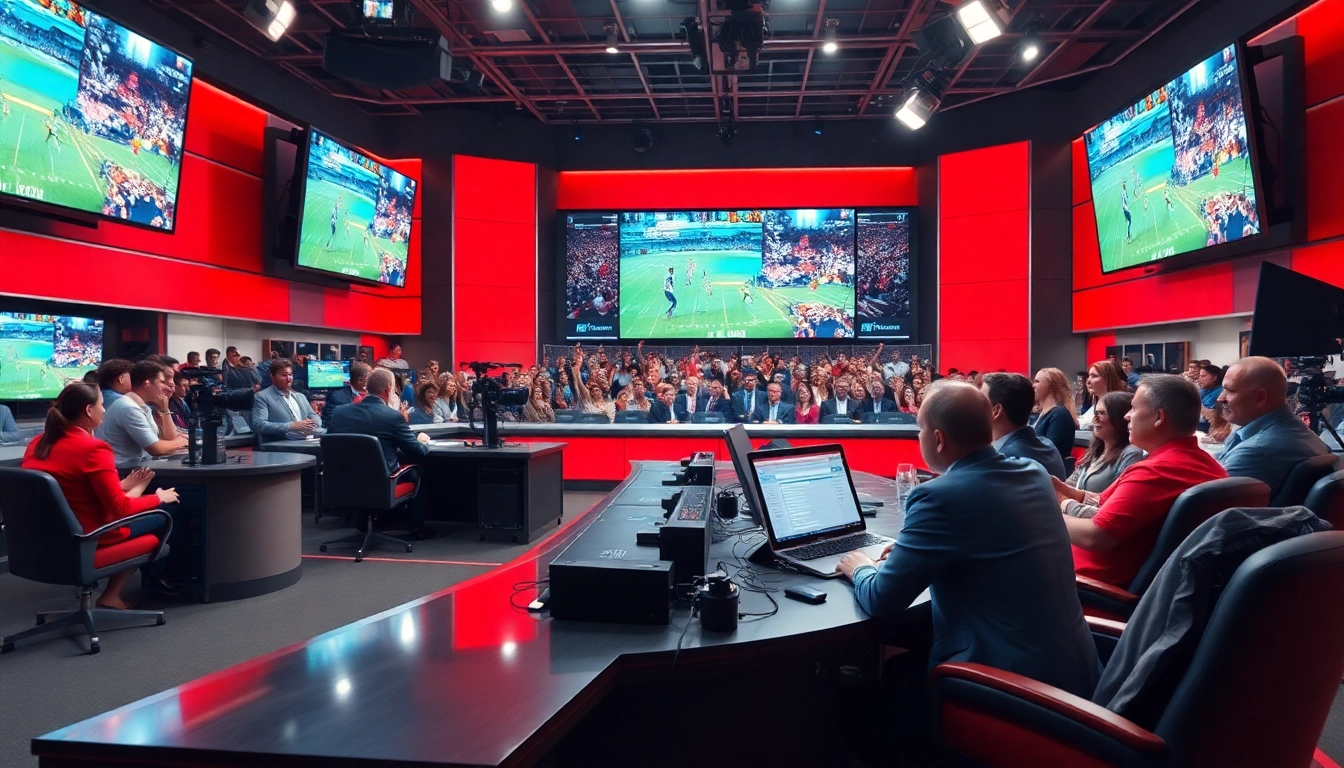
Understanding Sports Broadcasting
Defining Sports Broadcasting and Its Importance
Sports Broadcasting is the delivery of sports content via various platforms, such as television, radio, and the internet. It plays a critical role in entertainment, community engagement, and the promotion of sports culture. Broadcasters connect fans to live events, enriching their experience through expert commentary, analysis, and interactive discussions. This Sports Broadcasting creates a sense of belonging among viewers, transforming passive observation into active participation.
History and Evolution of Sports Broadcasting
Sports Broadcasting has undergone significant transformation since its inception. The journey began in the early 20th century when radio brought live sports events into homes. The advent of television revolutionized this experience, providing visual engagement. As technology advanced, so did the capabilities of broadcasters—from coverage of marquee events to 24/7 sports news networks. Digital platforms have further expanded reach, with streaming revolutionizing how fans consume sports content, accommodating diverse viewing preferences and making sports more accessible than ever.
Different Types of Sports Broadcasting Platforms
Today, Sports Broadcasting encompasses a diverse array of platforms, each with unique features and audience engagements. Traditional broadcasting includes television and radio, which still attract large audiences. Digital platforms provide live streaming, social media interaction, and on-demand content, catering to a younger, tech-savvy demographic. Mobile apps allow sports fans to follow events in real-time, showcasing highlights and replays instantly. Each platform has its strengths, enabling broadcasters to enhance viewer experiences based on preferences.
Key Elements of Effective Sports Broadcasting
Essential Equipment for Sports Broadcasting
To deliver high-quality sports broadcasts, professionals rely on specific equipment. This includes cameras capable of capturing high-definition footage, microphones ensuring clear audio, and mixing consoles for on-the-fly sound adjustment. Advanced broadcasting software enables seamless transitions, graphics integration, and playback functionalities. Investment in high-quality equipment is essential to create an engaging audience experience, as poor image or sound can degrade viewership and brand reputation.
Skills Required for Broadcasters
Sports broadcasters must possess a set of critical skills to be effective. Strong communication abilities are paramount, allowing them to convey excitement and analysis clearly and engagingly. They need an extensive understanding of sports, including strategies, statistics, and player backgrounds. Additionally, adaptability is vital; situations can change rapidly during live broadcasts, necessitating swift, informed responses. Familiarity with technology and production processes further bolsters a broadcaster’s effectiveness.
Understanding Audience Engagement Strategies
Engaging audiences is crucial in a saturated sports media landscape. Broadcasters can employ several strategies: compelling commentary that adds value to the viewing experience, social media engagement that invites viewer interaction, and crafting entertaining segments that break away from traditional coverage. Creating community through viewer feedback and fan experiences fosters loyalty and enhances the bond between the broadcaster and the audience, ultimately contributing to a more vibrant sports culture.
Challenges in Sports Broadcasting
Technical Challenges in Live Broadcasting
Live broadcasting presents significant technical challenges. Equipment malfunctions can disrupt broadcasts, leading to viewer disengagement. Internet issues may hinder streaming quality, creating a negative viewing experience. Additionally, external factors such as weather and venue limitations can pose difficulties during live events. To mitigate these challenges, broadcasters should develop contingency plans and invest in robust infrastructure and technical training for staff, ensuring readiness for unforeseen circumstances.
Legal Issues and Sports Broadcasting Rights
Navigating legal issues is a critical aspect of Sports Broadcasting. Rights agreements determine who can broadcast specific events, impacting accessibility for fans. Misunderstanding or non-compliance with these agreements can result in costly penalties. Therefore, broadcasters must stay informed about regulations and establish strong relationships with sports organizations to secure broadcasting rights and avoid legal disputes that could hinder their operations.
Maintaining Viewer Interest in a Competitive Environment
As competition increases from various content providers, keeping viewer interest is paramount. Broadcasters face the challenge of differentiating their content amidst a deluge of competing options. To address this, they must continually innovate, offering unique perspectives, exclusive interviews, and interactive content that enhances viewer engagement. Regular audience feedback is essential for adapting to evolving preferences and maintaining a loyal fan base.
Best Practices for Successful Sports Broadcasting
Crafting Compelling Content and Commentary
Creating compelling content is foundational to successful broadcasting. Broadcasters should focus on storytelling, weaving narratives that resonate with audiences beyond the scores. Expert commentary that breaks down complex strategies makes the content more relatable and engaging. Incorporating humor, personal anecdotes, and emotional connections can enhance the viewing experience, making broadcasts more memorable for the audience.
Leveraging Technology in Sports Broadcasting
Technology plays an increasingly vital role in Sports Broadcasting. The integration of enhanced graphics, virtual reality experiences, and the use of drones for overhead shots add an exciting dimension to coverage. Artificial intelligence can analyze players’ performances in real time, providing valuable insights for broadcasters. Leveraging these technologies not only improves the quality of broadcasts but also creates innovative viewer experiences that attract diverse audiences.
Building Relationships with Sports Organizations
Establishing solid relationships with sports organizations is critical. Collaborations can lead to exclusive content, behind-the-scenes access, and promotional opportunities. This cooperation enriches the broadcast and fosters goodwill between the broadcaster and the teams or leagues involved. Engaging in joint marketing initiatives and community outreach helps solidify these partnerships, enhancing the overall experience for fans and stakeholders alike.
The Future of Sports Broadcasting
Emerging Trends in Sports Broadcasting Technology
The landscape of Sports Broadcasting is evolving rapidly, primarily driven by technological advancements. Emerging trends include the utilization of artificial intelligence for predictive analysis, which can forecast outcomes based on historical data. Virtual and augmented reality create immersive experiences, allowing fans to engage with the content in new ways. Additionally, personalization options enable viewers to customize their viewing experiences, selecting camera angles or commentary styles based on their preferences.
The Shift towards Digital and Online Broadcasting
Digital platforms are reshaping the future of Sports Broadcasting. Viewers increasingly demand flexibility, leading to a shift in how content is delivered and consumed. Streaming services are gaining traction as viewers seek immediate access to their favorite sports content anytime, anywhere. Broadcasters must adapt and embrace these changes, optimizing their content for digital platforms and exploring new monetization opportunities through subscription services and targeted advertisements.
Opportunities for Innovation in Sports Broadcasting
The horizon for Sports Broadcasting is filled with opportunities for innovation. Broadcasters can explore interactive experiences, such as virtual watch parties, where fans engage in real-time discussions during live games. Partnerships with gaming companies may pave the way for esports integration into traditional sports broadcasts. The push for diverse content—such as documentaries featuring athletes’ journeys—offers avenues for reaching wider audiences and building deeper connections.
Frequently Asked Questions
What is sports broadcasting?
Sports broadcasting refers to the distribution of sports-related content via television, radio, or online platforms. It engages audiences by showcasing live events, analysis, and expert commentary.
What equipment is essential for sports broadcasting?
Essential equipment for sports broadcasting includes cameras, microphones, mixing consoles, and broadcasting software. High-quality equipment ensures clear audio and visual for an effective broadcast.
How do broadcasters engage their audience?
Broadcasters engage their audience by providing insightful commentary, interactive discussions, entertaining segments, and social media integration. This fosters a sense of community among viewers.
What are common challenges in sports broadcasting?
Common challenges include technical issues, adhering to broadcasting rights and regulations, and maintaining viewer interest due to the rising competition from digital platforms and various content.
What are emerging trends in sports broadcasting?
Emerging trends include the use of artificial intelligence for analysis, virtual reality experiences, and increased streaming options. These trends aim to enhance user experience and accessibility.