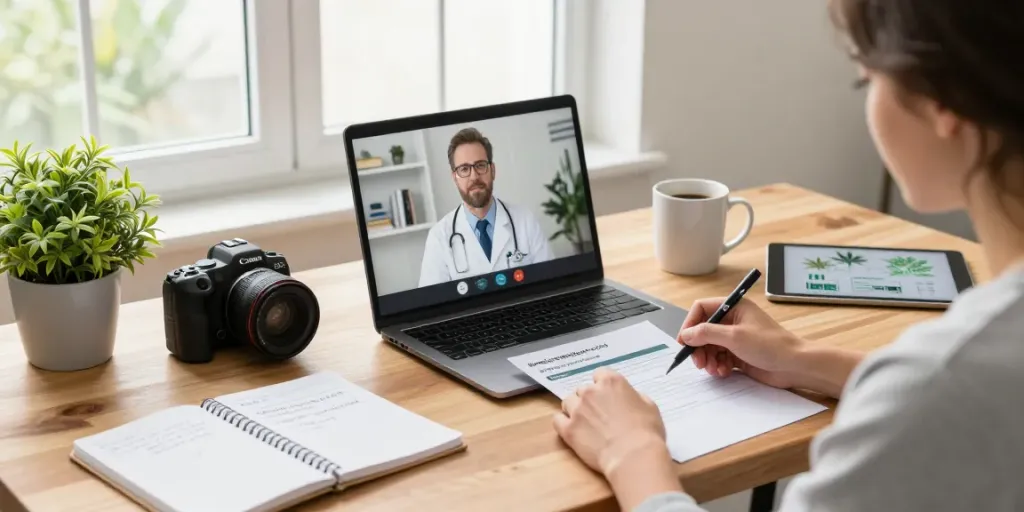
Understanding the Medical Card Online Process
In the rapidly evolving landscape of healthcare, acquiring a Medical card online has transformed from a cumbersome and lengthy process to an accessible and efficient solution for many patients. This shift is particularly notable in the realm of medical marijuana, where states are increasingly recognizing the therapeutic benefits of cannabis. However, navigating the process of obtaining a medical marijuana card can still present challenges, which makes understanding each step crucial for prospective patients.
What is a Medical Marijuana Card?
A medical marijuana card, often referred to as an MMJ card, is an identification card issued by a state that allows individuals to purchase, possess, and consume marijuana for medicinal purposes. The card verifies that the holder has received a recommendation from a licensed healthcare provider after meeting specific medical criteria. Depending on the state, this card can provide access to various strains and products that may not be available for recreational use.
The Online Application Steps
Acquiring a medical marijuana card online typically involves several straightforward steps:
- Complete a Pre-Qualification Form: Fill out a simple medical form that gathers your personal details and relevant medical history.
- Telemedicine Consultation: Schedule and attend a face-to-face consultation with a certified health physician via telemedicine.
- Receive Your Recommendation: If you qualify, you will receive a medical cannabis recommendation sent directly to your email within minutes.
- Obtain Your Card: You can choose to add a physical wallet-sized ID card for an additional fee, providing a convenient way to carry your medical status.
Common Eligibility Requirements for Medical Cards
Eligibility for a medical marijuana card varies from state to state but often includes the following:
- Age: Applicants typically must be 18 years or older, although minors may qualify with parental consent.
- Medical Conditions: Common qualifying conditions include chronic pain, anxiety disorders, PTSD, cancer, and any other debilitating conditions as deemed appropriate by a licensed physician.
- Residency: Most states require applicants to be residents of that state, providing proof of residency.
Benefits of Obtaining a Medical Card Online
Securing a medical marijuana card online offers numerous advantages that can greatly enhance a patient’s experience and access to medicinal cannabis.
Legal Access and Protection
One of the primary benefits of having a medical marijuana card is the legal protection it provides. Cardholders can legally possess and consume cannabis without the fear of legal repercussions, provided they adhere to their state’s regulations. This legal reassurance lets patients focus on managing their health without additional anxiety.
Tax Savings and Discounts at Dispensaries
Many states offer tax savings for medical marijuana patients, allowing them to save significantly on their purchases. Additionally, dispensaries often provide exclusive discounts to cardholders, making medical marijuana more affordable compared to recreational prices.
Enhanced Quality and Variety of Products
Medical cardholders typically have access to a broader range of cannabis products, including higher quality strains and exclusive items not available to recreational users. This access can be vital for patients seeking specific therapeutic effects to manage their health conditions.
Challenges in Getting Your Medical Card Online
While the online process is designed to simplify obtaining a medical marijuana card, potential obstacles can still arise.
Addressing Common Misconceptions
Many individuals remain skeptical about the online application process, often believing it to be a scam or overly complicated. Education on the legitimacy and ease of telemedicine consultations can help alleviate these concerns and encourage more patients to pursue legal access.
Navigating State-Specific Regulations
The regulations governing medical marijuana can vary significantly between states, often leading to confusion. Patients must research their state’s specific laws, including qualifying conditions, to ensure compliance throughout the process. Consulting with experts in the field can also provide clarity on local regulations.
Understanding Consultation Fees and Refund Policies
While many telemedicine services offer competitive pricing, understanding potential fees and refund policies is essential. Some services may charge consultation fees regardless of whether the patient is approved for a recommendation. Familiarizing oneself with these costs before beginning the application can prevent unexpected expenses.
Best Practices for Successful Application
To ensure a smooth application experience, patients should consider the following best practices.
Preparing for Your Telemedicine Consultation
Before the online consultation, patients should prepare a list of their symptoms, medical history, and any previous treatments they’ve undergone. This information will help the physician make an informed recommendation.
Gathering Required Documentation
Patients should have necessary documents on hand, such as proof of residency and any medical records that demonstrate their qualifying conditions. This readiness can streamline the consultation process and facilitate quicker approval.
Tips for a Smooth Online Experience
When engaging in a telemedicine consultation, ensure a stable internet connection and a quiet, private space to discuss sensitive health matters with the physician. Approaching the appointment professionally can foster a productive environment.
Future Trends in Medical Cannabis Access for 2026
As the landscape of medical cannabis continues to evolve, numerous trends are likely to shape access and patient experiences in the coming years.
Technological Innovations in Telemedicine
Telemedicine is expected to become increasingly sophisticated, with advancements in video technology and patient monitoring systems improving the quality and efficiency of consultations. These innovations will likely facilitate even broader access to medical marijuana evaluations.
Potential Changes in Legislation
With ongoing advocacy and research supporting the benefits of medical cannabis, potential legislative changes may simplify the application process or expand qualifying conditions in many states. Keeping abreast of these developments can help patients take advantage of new opportunities.
Predictions for Patient Education and Resources
The growth of the industry will lead to enhanced resources for patient education. More informational platforms, webinars, and community forums will emerge, providing valuable insights into the responsible use of medical cannabis and connecting patients with experienced professionals.
What is the fastest way to get a medical card in Florida?
The fastest way to acquire a medical card in Florida involves completing an online application with a registered physician, followed by attending a telemedicine consultation. Many patients report receiving their recommendations on the same day.
Can you get a same-day medical card in Oklahoma?
Yes, Oklahoma offers an expedited process for obtaining a medical card, allowing qualified individuals to receive their card the same day they complete their application and consultation.
How much does it cost to get a med card in FL?
In Florida, the costs can vary, but typical fees range from $39 for a medical recommendation to $75 for the state application fee. Additional costs may apply for consultations.
How do I get my medical card in California online?
California residents can apply for their medical card online by filling out a pre-qualification form, consulting with a licensed physician via telemedicine, and then receiving their recommendation electronically.
What to do if I get denied for a medical card?
If denied, reviewing the reasons given by the physician is crucial. Patients may wish to seek a second opinion or consider alternative approaches to address their health conditions.