
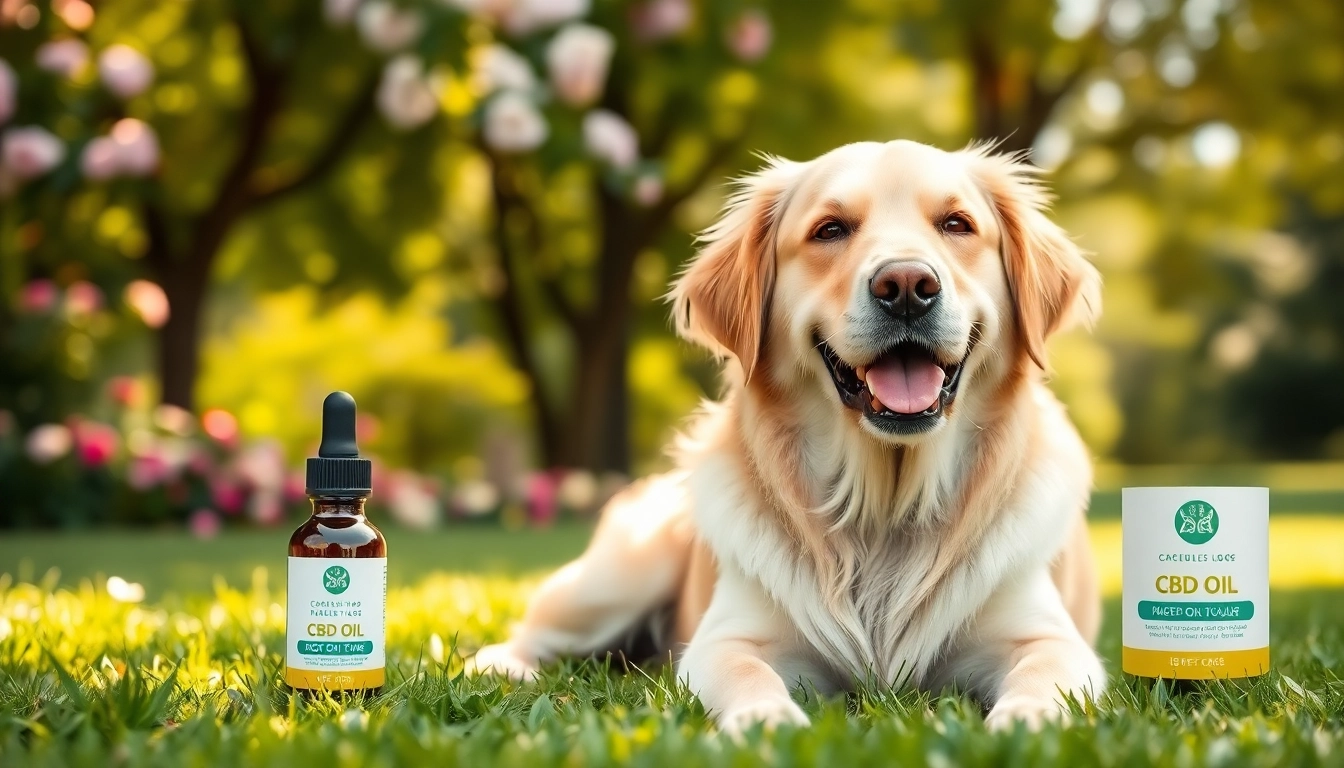
Understanding CBD Oil For Dog
What is CBD Oil and Its Origins?
Cannabidiol, more commonly known as CBD, is a natural compound found in the cannabis plant. While cannabis has historically been associated with its psychoactive properties, CBD is non-intoxicating and has garnered significant attention in recent years for its potential therapeutic benefits. The oil extracted from hemp varieties of cannabis is rich in CBD, providing a safe option for pet owners looking to enhance their dog's well-being without the high associated with THC, another prominent cannabinoid.
The origins of CBD oil can be traced back to ancient Chinese medical practices, but modern interest gained momentum in the late 20th and early 21st centuries. As research emerged regarding the endocannabinoid system—a biological system present in most mammals, including dogs—scientists began to understand the potential applications of cannabinoids in treating various health issues in pets.
How CBD Works in Dogs' Bodies
Like humans, dogs have an endocannabinoid system (ECS) that plays a vital role in maintaining homeostasis within the body. This complex cell-signaling system consists of receptors (CB1 and CB2), endocannabinoids produced by the body, and enzymes that break down these cannabinoids. When CBD enters a dog's body, it interacts with these receptors, which are primarily found in the brain, nervous system, and immune tissues.
Studies indicate that CBD may help modulate various physiological processes, including pain perception, mood regulation, immune response, and inflammation. For many pet owners, this translates to a potential natural solution to common concerns such as anxiety, joint pain, and overall wellness, leading many to explore options like CBD Oil For Dog.
The Legal Status of CBD Oil For Dog Use
The legal landscape surrounding CBD is complex and varies by region. In many parts of the United States, CBD derived from hemp (with less than 0.3% THC) is federally legal, thanks to the Farm Bill of 2018. However, local laws can differ significantly, and pet owners should ensure they are compliant with their specific state's regulations regarding CBD use for dogs. Pet owners are encouraged to purchase products from reputable sources that provide third-party lab testing results, ensuring the quality and safety of the CBD oil being administered to their pet.
Benefits of CBD Oil For Dog
Alleviating Anxiety in Dogs
Many dogs experience anxiety, whether due to separation, loud noises, or changes in their environment. CBD oil has shown promise in helping to alleviate anxiety symptoms in dogs. Research suggests that CBD may influence serotonin receptors in the brain, which are implicated in mood regulation. This effect can result in a calmer pet during stressful situations, enhancing their quality of life.
Pet owners have reported positive outcomes, ranging from reduced barking and destructive behavior to improved social interactions with other dogs and people. While results can vary from one dog to another, many find CBD a viable alternative to traditional anxiolytics, which can have more severe side effects.
Supporting Joint Health and Mobility
As dogs age or face specific joint-related issues, such as arthritis, managing pain and maintaining mobility becomes critical. CBD oil has been noted for its anti-inflammatory properties, which may be beneficial in reducing joint inflammation and improving overall function. Some studies indicate that dogs given CBD oil display increased activity levels and playfulness, suggesting enhanced mobility.
By providing natural relief, CBD oil may help dogs lead more active lives, allowing them to engage in their favorite activities without the discomfort associated with joint pain.
Managing Chronic Pain and Other Conditions
Chronic pain, whether from a long-standing injury, surgery recovery, or conditions such as cancer, can significantly hinder a dog's quality of life. CBD oil has been explored as a potential means of managing this pain. Due to its interaction with the endocannabinoid system, CBD may help inhibit pain signals reaching the brain, providing relief to suffering pets.
Furthermore, CBD has been investigated for its potential benefits in managing various other health conditions, including seizures, nausea, and even certain skin issues. Pet owners seeking holistic treatment options often find CBD oil to be a versatile addition to their pet’s health regimen.
Choosing the Right CBD Oil For Dog
Types of CBD Products Available for Dogs
The market offers a wide array of CBD products for dogs, including oils, treats, capsules, and topicals. CBD oil is one of the most popular forms due to its versatility, allowing for precise dosage adjustments and quick absorption. Dog treats infused with CBD can also provide a tasty option for pet owners looking to incorporate CBD into their pets' diets easily.
Additionally, CBD-infused topicals can target specific areas of pain or skin issues, offering localized relief and minimizing potential side effects associated with ingestion. When selecting a type of CBD product, consider your dog's preferences, health conditions, and overall lifestyle.
Understanding Dosage and Concentration
Determining the right dosage for your dog can be challenging but is crucial for achieving the desired effects while minimizing possible side effects. It's typically recommended to start with a lower dosage and gradually increase it until the desired effects are observed.
Dosage recommendations can often be found on product packaging, but a common rule of thumb is 1-5 mg of CBD per 10 pounds of body weight, given one to two times daily. Always consult with a veterinarian experienced in CBD usage for pets to find the most effective dosage tailored to your dog's specific needs.
Reading Labels and Quality Assurance
When selecting a CBD oil for your dog, pay close attention to product labels. Look for essential information such as the concentration of CBD, the presence of third-party lab testing results, and a clear list of ingredients. Avoid products with unnecessary fillers or additives, as pure formulations are generally more effective and safer for your pet.
Quality assurance is paramount in the CBD industry. Opt for brands that are transparent about their sourcing, extraction methods, and testing procedures. A reputable manufacturer will often share Certificate of Analysis (COA) for their products, indicating cannabinoid content and the absence of harmful contaminants.
Administration Methods for CBD Oil For Dog
Adding CBD Oil to Meals and Treats
One of the simplest ways to administer CBD oil is by mixing it into your dog's food. This method can mask the earthy flavor of the oil, making it more palatable for picky eaters. Additionally, incorporating CBD oil into homemade treats can enhance your dog's daily allowance conveniently.
Be mindful of the oil's potency when calculating the CBD content in each serving. It's beneficial to tailor homemade dog treats to ensure each piece provides a consistent dosing amount.
Using Dropper Application Techniques
When directly administering CBD oil using a dropper, consistency is key. It is often suggested to place the oil under the dog's tongue or along the gums to allow for sublingual absorption, resulting in more rapid effects. Ensure your dog is calm during the process to minimize stress, which can affect how well the CBD is absorbed.
Practice might be necessary for some dogs to get used to the dropper method, but with patience, you can create a positive experience associated with the administration of CBD oil.
What to Watch for After Administration
After administering CBD oil to your dog, observe their behavior for any adverse reactions or improvements. It's vital to monitor for signs of lethargy, appetite changes, or digestive disruptions. Most dogs tolerate CBD oil quite well, but individual reactions can vary. Documenting your dog's progress can also help refine dosage and administration methods.
Engage with a veterinarian if you notice notable changes or concerns in your dog's health after introducing CBD oil to their routine. They can provide further insights and adjust recommendations based on their observations.
Frequently Asked Questions About CBD Oil For Dog
Can CBD Oil Get My Dog High?
No, CBD oil derived from hemp does not contain THC in significant quantities to produce psychoactive effects in dogs. It is specifically formulated to provide therapeutic benefits without the "high" associated with cannabis. Always choose broad spectrum or CBD isolate products specifically designed for pets if you want to avoid any trace amounts of THC completely.
Is CBD Oil Safe for All Dog Breeds?
In general, CBD oil is considered safe for most dog breeds. However, each dog's health status, size, and breed characteristics play vital roles in how they respond to CBD. Consultation with a veterinarian is essential, especially for those with underlying health issues or those on other medications that may interact with CBD.
How Long Does It Take to See Results?
The timeframe for observing effects in dogs following CBD oil administration may vary based on factors such as the pet's metabolism, type of product, and the condition being addressed. Some pet owners report noticing changes within a few hours, while others may wait several days for full effects to manifest. Regular monitoring and consistent dosing can help you gauge the efficacy of the CBD oil for your dog.