
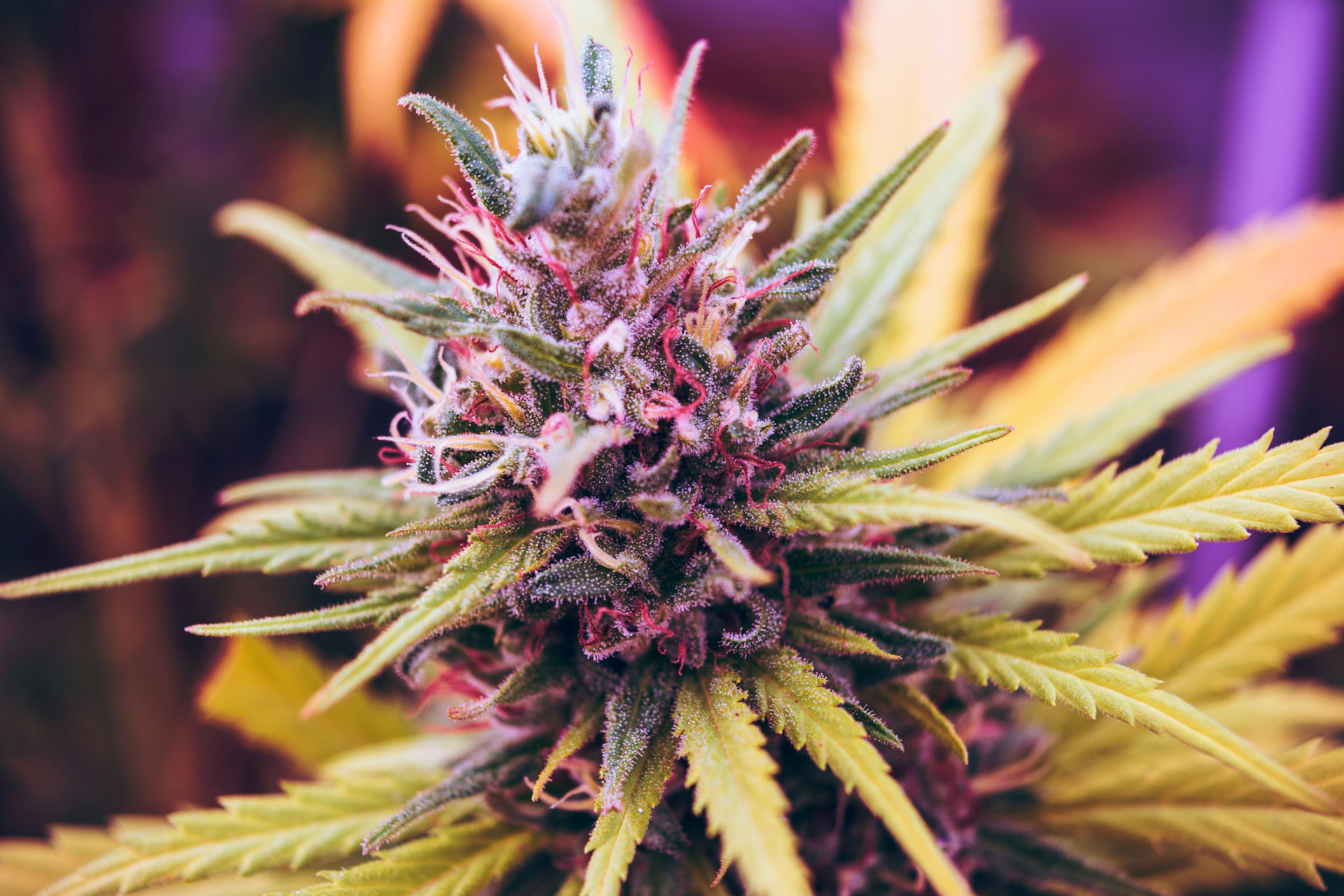
Binoid offers a wide range of cannabinoid products that attract curiosity from consumers interested in THCP, Delta‑8, and legal hemp‑derived alternatives. For those exploring potent cannabis alternatives, Binoid can serve as an entry point into understanding how different cannabinoids like THCP may interact with the body. While Binoid products vary in formulation and strength, many users seek them out for their unique profiles compared to traditional THC or CBD. It’s important for anyone considering Binoid products to research and understand the legal status of cannabinoids like THCP where they live. Educating yourself about how Binoid sources its hemp, how it tests for purity, and the types of cannabinoids included can help inform safer choices. Although the name Binoid is associated with a catalog of items, clarity about what THCP is and how companies such as Binoid label their products is vital before making any decisions.
Understanding Cannabinoids and THCP
What Is THCP?
In the world of cannabinoids, THCP is one of the lesser‑known compounds that has sparked interest among researchers and consumers. THCP stands for tetrahydrocannabiphorol, a cannabinoid similar in structure to THC but with potentially stronger effects due to differences in how it binds with receptors in the endocannabinoid system. Companies such as Binoid may list THCP in product descriptions to highlight the presence of this compound, but scientific knowledge about THCP’s effects and safety is still emerging. When comparing products from Binoid that list THCP to those with Delta‑8 or CBD, it’s crucial to understand that research is ongoing and regulatory landscapes are shifting.
Delta‑8 and Other Cannabinoids from D8 Austin
Delta‑8 Basics
Delta‑8 is another cannabinoid that has become popular because it often offers milder effects compared to Delta‑9 THC. Retailers like those in Austin may carry items that feature Delta‑8 alongside other cannabinoids. If you see Binoid products labeled with Delta‑8, that typically means the formulation prioritizes that specific compound’s interaction with cannabinoid receptors. While Delta‑8 is often described as producing a more relaxed experience, safety and dosage should always be considered.
How Binoid and Similar Brands Source Cannabinoids
Cannabinoid products, whether from Binoid or other manufacturers, generally begin with hemp plants. The extraction process isolates compounds such as THCP or Delta‑8, and reputable suppliers will test these extracts for purity and contaminants. Always review available Certificates of Analysis when evaluating Binoid products to ensure transparency. This step helps you verify that the product contains what the label claims, without harmful impurities.
Legal Considerations for Cannabinoid Products
Federal and State Laws
The legal status of cannabinoids like THCP can vary widely. In the United States, the 2018 Farm Bill allowed for hemp‑derived cannabinoids, but many states have additional restrictions. When exploring products from Binoid or any other supplier, always check your local laws. Certain jurisdictions may treat THCP similarly to Delta‑9 THC, which can affect legality. Understanding how Binoid complies with these regulations can prevent unintentional legal issues.
Safety and Responsible Use
Because cannabinoids interact with the body’s endocannabinoid system, effects can be unpredictable, particularly with potent compounds such as THCP. If you choose to try products that list Binoid as the brand, start with low doses, and consult a healthcare provider if you have underlying health conditions. Avoid driving or operating machinery after use, and be mindful of possible interactions with other medications.
Comparing Cannabinoid Profiles
THCP vs Delta‑8 and CBD
When comparing cannabinoids, THCP is reported to bind more strongly to receptors than THC, while Delta‑8 tends to be milder. CBD, on the other hand, does not produce intoxicating effects and is often used for wellness purposes. If Binoid product descriptions include these cannabinoids, the effects you experience may differ significantly. Learn about each compound before choosing a product.
User Expectations
Consumer experiences with cannabinoid products are subjective. Some users report that Binoid items with THCP feel more potent, while others prefer the gentle nature of Delta‑8. Always set realistic expectations and be aware that individual responses vary.
FAQ – Frequently Asked Questions
What does THCP stand for and how is it different from THC?
THCP stands for tetrahydrocannabiphorol, a cannabinoid with a slightly different chemical structure than THC. This difference may influence how strongly it binds to receptors in the endocannabinoid system, potentially leading to stronger effects. Products labeled with Binoid and THCP should be researched carefully because scientific consensus is still developing.
Are Binoid cannabinoid products legal everywhere?
The legality of cannabinoid products such as those from Binoid varies by jurisdiction. While hemp‑derived cannabinoids are federally legal in some countries, states and localities may have additional restrictions. Always check your local laws before purchasing or consuming.
How should I determine the right dosage for products listing THCP?
Start with a low dose when using any potent cannabinoid product, especially those with THCP. If you see Binoid on the label, consult available dosage guidance and consider speaking with a healthcare provider to determine a safe starting point based on your tolerance and experience with cannabinoids.
Can you test cannabinoid products for purity?
Yes, reputable brands like Binoid often provide third‑party lab results known as Certificates of Analysis (COAs). These documents show cannabinoid levels and confirm that products are free from harmful contaminants. Always review COAs before purchasing.
Are there side effects associated with THCP or Delta‑8?
Potential side effects of potent cannabinoids may include dizziness, dry mouth, fatigue, and changes in appetite or mood. If you notice adverse effects after using Binoid products, discontinue use and consult a healthcare professional.
Tips for Safe Selection and Use
Reading Labels and COAs
Before purchasing any cannabinoid product, including those with Binoid branding, read the label carefully. Look for clear ingredient lists, potency information, and references to third‑party testing. COAs help ensure you know what you’re consuming.
Understanding Your Goals
Consider why you’re interested in cannabinoids. Some people seek relaxation, others explore potential wellness benefits. If you’re curious about THCP or Delta‑8, research both compounds and compare different product types. Knowing your goals can make it easier to choose among Binoid offerings or alternatives.
Conclusion
Exploring the world of cannabinoids like THCP and Delta‑8 can be fascinating, especially with brands such as Binoid presenting a variety of options. However, it’s essential to prioritize safety, legality, and education over curiosity alone. Familiarize yourself with how different cannabinoids interact with the body and consult professionals when needed. Whether you encounter Binoid products or other cannabinoid offerings, make decisions based on reliable research and personal well‑being.