
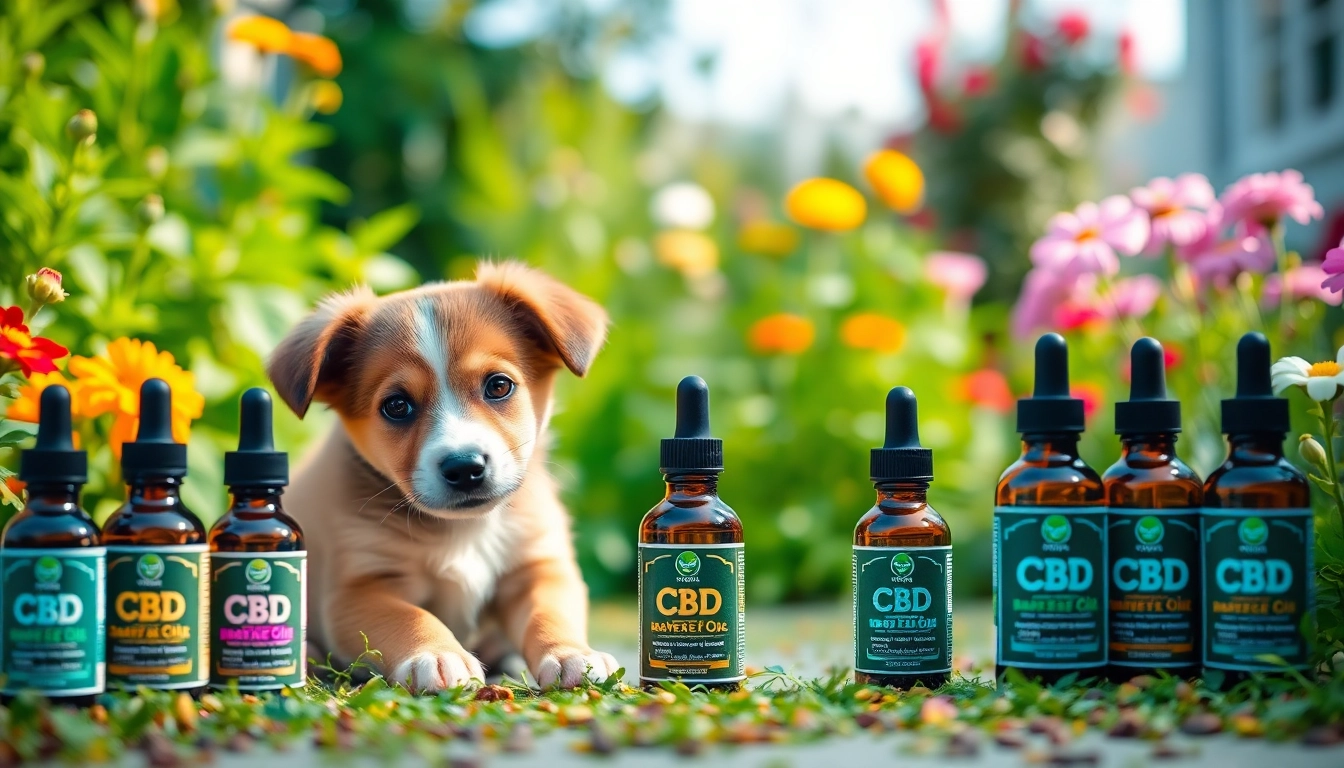
Understanding CBD For Pet
Cannabidiol, or CBD, has taken the pet care industry by storm, emerging as a popular supplement for enhancing the health and wellness of our furry companions. Pet owners are increasingly exploring the benefits of using CBD For Pet products as part of their animals' daily routines. But what exactly is CBD? How does it work for pets? And are there significant advantages associated with its use? In this comprehensive guide, we will dive deep into the world of CBD for pets, addressing common concerns and clarifying misconceptions, while also equipping you with all the information necessary for making informed decisions regarding your pet's health.
What is CBD and Its Benefits for Pets?
CBD is one of over a hundred cannabinoids found in the cannabis plant, particularly derived from hemp. Unlike its more famous relative, tetrahydrocannabinol (THC), CBD is non-psychoactive, meaning it doesn't induce the 'high' typically associated with cannabis. This makes it an attractive option for pet owners looking to improve their animals' well-being without the mind-altering effects of THC.
The benefits of CBD for pets are multi-faceted, encompassing a range of health concerns. It’s known for its anti-inflammatory, anti-anxiety, and analgesic properties. Research indicates that CBD can help manage conditions such as chronic pain, seizures, anxiety, stress-related issues, and even arthritis in dogs and cats. Its calming effects can promote relaxation during stressful events, while its potential to reduce inflammation may assist in improving mobility for older pets.
Common Misconceptions About CBD For Pet
As with any emerging trend in health and wellness, misconceptions abound regarding CBD use in pets. One common misunderstanding is that all CBD products are the same, but this couldn't be further from the truth. Quality varies widely across different brands, and not all products undergo rigorous testing. It’s crucial for pet owners to seek out CBD specifically formulated for animals, as human CBD products may contain additional ingredients that are harmful to pets.
Another myth is the belief that CBD is a cure-all for all pet ailments. While CBD has shown promise in addressing various health issues, it is not a substitute for veterinary care. Pet parents should work closely with their veterinarian to determine the most appropriate treatment plans for their pets, incorporating CBD where suitable.
How CBD Differs from THC for Pets
While both CBD and THC are cannabinoids, their effects on pets—and humans too—are vastly different. THC is the psychoactive compound that can cause disorientation, anxiety, and even toxicity in pets. Symptoms of THC poisoning can include lethargy, abnormal behavior, or in severe cases, require emergency veterinary attention. On the other hand, CBD is well-tolerated in pets and has a low risk of side effects when used appropriately. Understanding this distinction is fundamental for responsible pet ownership and ensures that animals receive safe, beneficial supplementation.
Health Issues Addressed by CBD For Pet
Managing Anxiety and Stress in Pets
Many pets experience anxiety stemming from various sources such as thunderstorms, fireworks, or separation from their owners. Cases of stress and anxiety can manifest in destructive behavior, excessive barking, or withdrawal. CBD has emerged as a promising natural remedy to help alleviate these symptoms. Studies have indicated that CBD may aid in the regulation of serotonin levels, the neurotransmitter that plays a critical role in mood stabilization. Regular supplementation with CBD may help pets remain calm in stressful situations.
Joint Pain Relief and Mobility Support
As pets age, they often suffer from joint pain and decreased mobility due to arthritis or other degenerative joint conditions. CBD's anti-inflammatory properties can provide pain relief, enhancing the quality of life for pets dealing with chronic pain. Many pet owners have reported noticeable improvements in their pet's mobility after introducing CBD products into their routine. This can enable pets to lead more active lifestyles, uplifting both their physical and emotional well-being.
Improving Overall Wellness with CBD For Pet
Beyond addressing specific ailments, CBD contributes to a pet’s overall wellness. Regular use of quality CBD products may improve digestion, enhance mood, and promote a balanced immune response. The synergistic effect of CBD on the endocannabinoid system of pets plays a significant role in maintaining homeostasis. This balance helps pets stay healthy and energetic, decreasing the risk of more severe health issues down the line.
Selecting the Right CBD For Pet Products
Different Forms of CBD Products Available
CBD products for pets come in various forms, ensuring there's an option suited for every animal's preference. Common formats include oils, treats, capsules, and topical applications.
- CBD Oil: Flexible dosage and easy to administer; can be mixed with food or applied directly to the pet’s mouth.
- CBD Treats: Convenient and often appealing to pets; these pre-dosed snacks can make administration a breeze.
- CBD Capsules: Offer precise dosing but may be less palatable for some pets.
- Topicals: Applied directly to the skin; useful for localized pain or skin conditions.
Understanding the different forms of CBD allows pet owners to choose the best product according to their pet's preferences and specific health needs.
How to Choose High-Quality CBD Products for Pets
The quality of CBD products varies widely, and it's vital for pet owners to choose reputable brands that prioritize safety and efficacy. Look for the following indicators to ensure you're selecting a high-quality product:
- Third-Party Testing: Reputable products should come with a Certificate of Analysis from an independent laboratory, ensuring the product's contents match what's stated on the label.
- Clear Ingredient List: The product should have a transparent ingredient list, free of additives and fillers that may be harmful to pets.
- Source of Hemp: Opt for products made from organic hemp grown in trusted regions to ensure the absence of pesticides and heavy metals.
- Full Spectrum vs. Isolate: Full-spectrum CBD contains other cannabinoids that can enhance the therapeutic effects, while isolates contain only CBD. Consider your pet's specific needs when choosing between them.
Understanding Dosage for Your Pet’s Needs
Administering the correct dosage of CBD is crucial for achieving the desired effects and avoiding potential side effects. Dosing recommendations typically depend on the pet's size, weight, and the severity of the condition being treated. Start with a lower dose and gradually increase it while observing your pet’s response. Most CBD products provide guidelines based on weight, making it easier for owners to determine how much to give.
It's advisable to consult your veterinarian for personalized dosing guidance tailored to your pet's specific needs, especially if they are already taking other medications or have underlying health issues.
Administering CBD For Pet: Best Practices
Different Ways to Administer CBD for Optimal Results
There are various methods to administer CBD to your pet, each with its advantages. The choice often depends on your pet's preferences:
- Direct Administration: For oils, consider placing drops directly in your pet's mouth for quick absorption.
- Mixing with Food: Many pets may be more receptive if the CBD oil or capsules are mixed into their regular food.
- Using Treats: If you choose CBD-infused treats, ensure they are appropriately dosed and given according to your pet’s weight.
- Topical Application: When using CBD creams or balms for localized pain, apply directly to the area and ensure the pet doesn’t lick it off immediately.
How to Track Your Pet’s Response to CBD
Monitoring your pet's behavior and physical condition upon administering CBD is essential to evaluate its effectiveness. Keep a journal documenting the following:
- Changes in behavior, such as increased calmness or improved activity levels.
- Frequency and severity of symptoms related to their health issue.
- Any side effects, including changes in appetite or energy levels.
This record will help determine if adjustments need to be made to the dosage or product type and provide valuable feedback for discussions with your veterinarian.
Consulting with Your Veterinarian Regarding CBD Use
Before starting your pet on CBD, it is critical to involve your veterinarian in the decision-making process. A veterinarian can provide insights on the suitability of CBD for your pet's specific health needs, potential interactions with existing medications, and appropriate dosing instructions. Open communication about all supplements and treatments is vital for maintaining your pet's health and safety.
Regulations and Future of CBD For Pet
Current Legal Status of CBD for Pets
The legal status of CBD for pets can vary significantly by region and is often subject to change. In the United States, hemp-derived CBD is legal at the federal level due to the 2018 Farm Bill, which distinguished hemp from marijuana. However, the regulations around its use in animals remain murky, as the FDA has not approved CBD products specifically for pets. This leaves a grey area that requires pet owners to do thorough research and buy products with caution, prioritizing those sourced from reputable manufacturers.
The Future of CBD Research and Development
The research surrounding CBD and its effects on pets is still in its infancy stage, but interest is growing significantly. Ongoing studies are exploring the therapeutic applications of CBD, not only for pain relief and anxiety management but also for chronic conditions such as epilepsy and cancer. Advances in this field could lead to more compelling evidence supporting the safety and efficacy of CBD in pet medicine.
Staying Informed on CBD for Pet Legislation
As the pet wellness industry evolves, staying informed about the latest developments regarding CBD regulations is crucial. Pet owners should follow reputable sources and consult their veterinarians when necessary to navigate the complexities of CBD for pets. Being proactive in understanding the legal landscape can help pet owners make choices that align with the evolving standards of quality and safety.